

I recently went down a rabbit hole chasing the Rocksteady. I am not the first to go down that rabbit hole. Flouer Evelyn went down that path doing research for this performance at bluesSHOUT! 2018.
Growing up I have fond memories of watching Soul Train. Every Saturday morning it was cartoons, bowling lessons, and Soul Train (they were broadcasting reruns . There are books and documentaries on that show, but the key takeaway is that it was the first opportunity for mainstream America to have access to both black music and dancing. I get a lot of inquiries on where to find footage of Black American dances. In our early history it was against the law for for Black Americans to congregate outside of the church. People met in secret. There are clips here and there. Sometimes you will see dancing in blues concert footage.
Aretha Franklin graced the Soul Train stage in 1973 playing songs from her 8th album Young, Gifted and Black. This is where my rabbit hole started.
A lot of Black American history is captured in song. The first mention of Rocksteady was in the context of Jamaican Dancehall. In 1966, somewhere between ska and Reggae, there was Dancehall. Anton Ellis, considered the Godfather of Dancehall, dropped a song called Let’s do the Rock Steady in 1967 that provided some documentation of the latest dance craze (peep this video and youtube channel for what that dance may have looked like).
Edit 5/29/26 – I just finished reading Joe Boyd’s “And the Roots of Rhythm Remain” and read that this song was commissioned by Duke Reid. He asked Alton Ellis for a novelty dance song and Ellis responded with “Let’s Do the Rock Steady,” inspired, as sound-system regulars knew, by how “Busby” and his gang, always on guard against ratchet-knife attacks by rivals, would sway to the music without lifting their feet.
Back to Aretha’s Rocksteady. Timeline wise, she was writing a song about the Jamaican Dancehall craze, but she added some funk and soul to it and the dance took another turn (Not long after Aretha released this song, the Marvels did a reggae cover of it, but there was no shifting this dance back to where it came from). Watch the crowd dancing in front of the stage.
Watch the dancers as they head down the Soul Train Line
If you google Rocksteady dance, you will likely find a bunch of footage and tutorials related to locking. If you have watch as much Soul Train as I have, you will know that one of the biggest things to come out of this show was the documentation of Popping and Locking. Dances that emerged in LA in the 1960s and 70s.
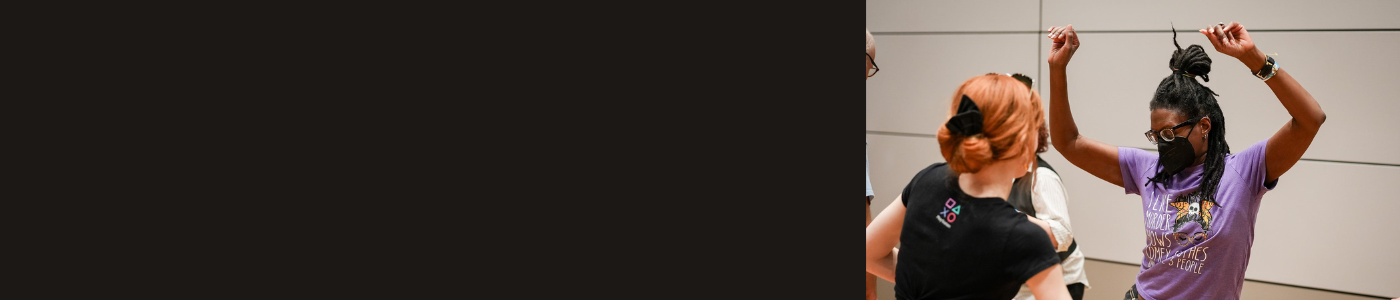
Skip to last week where I taught the Rocksteady (something closer to what was happening in the early 70s) during an all levels drop in Blues class.
Music stuff: I had taught a class in May called “Fantastic triples and where to find them” and decided to hit on the rhythm part of the dance hard. Aretha’s Rocksteady and many other funky songs around that time use the implied triple (hold, clap, clap) or the triple moves around the instrumentation and vocals . I had half the room clap on the beat and the other half listen for the triple.
Dancey stuff: Most blues dancers are exposed to a move called C-hips, but many do not know that most dance moves are actually whole dance idioms. I broke down the mechanics of C-hips along with having them put the triple in their arms, and their heads.
General fun: As I mentioned earlier. Many dances are documented in song. I had the class listen to Aretha’s commentary on the dance and suggested that they use these instructions as prompts while they dance. I broke the class into groups to workshop using their hips, arms, head and then the bonus challenge “What does sit your self down in your car and take a ride look like?”